
My goal was to serve as UX designer and project coordinator for a team of five creating a web-based puzzle game for the Game Makers Toolkit (GMTK) Game Jam 2025, one of the largest annual game jams with over 9,000 submissions. Working under the theme "loop," we would have 96 hours to conceive, design, develop, and polish a playable game that could run in-browser on itch.io using only keyboard and mouse controls. The challenge required coordinating a fully remote team across multiple time zones spanning the US and Europe, including two artists, a developer/game designer, a composer, and a sound designer. We needed to create all assets from scratch or secure legal rights to use them (with no generative AI permitted), ensure the game was appropriate for a general audience, and deliver a polished experience that would be competitive across five judging categories: Creativity, Enjoyment, Narrative, Artwork, and Audio.
Once the theme "loop" was announced, we quickly brainstormed concepts and landed on a space tower defense game that incorporated both a time loop mechanic and visual loop gameplay. We settled on a narrative where the player had to escape a planet by building solar panels to harvest energy and turrets to defend against enemy ships before the sun exploded into a black hole, with the sun serving as a visible timer creating urgency. The core loop mechanic allowed players to rewind time before the sun's explosion to gain more attempts, but with increasing difficulty each cycle to maintain challenge and prevent infinite replays.
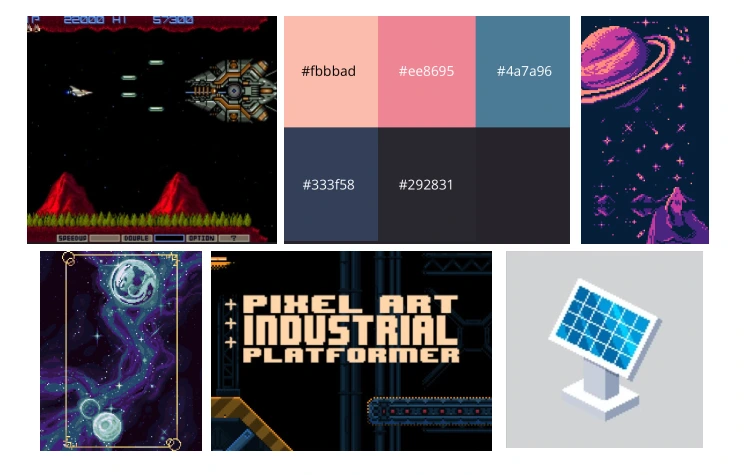
We researched vintage sci-fi pixel art styles from classic games like R-Type, Gradius, and Armored Core to establish our visual direction, then explored space-themed pixel art through Google search and Lospec to refine our aesthetic. We selected Lospec's Twilight 5 color palette for its moody, space-appropriate tones that would provide enough contrast for gameplay clarity while maintaining atmospheric cohesion. I also researched pixel art fonts that could inspire our title treatment and UI typography, ensuring readability at small sizes while matching the retro sci-fi aesthetic.
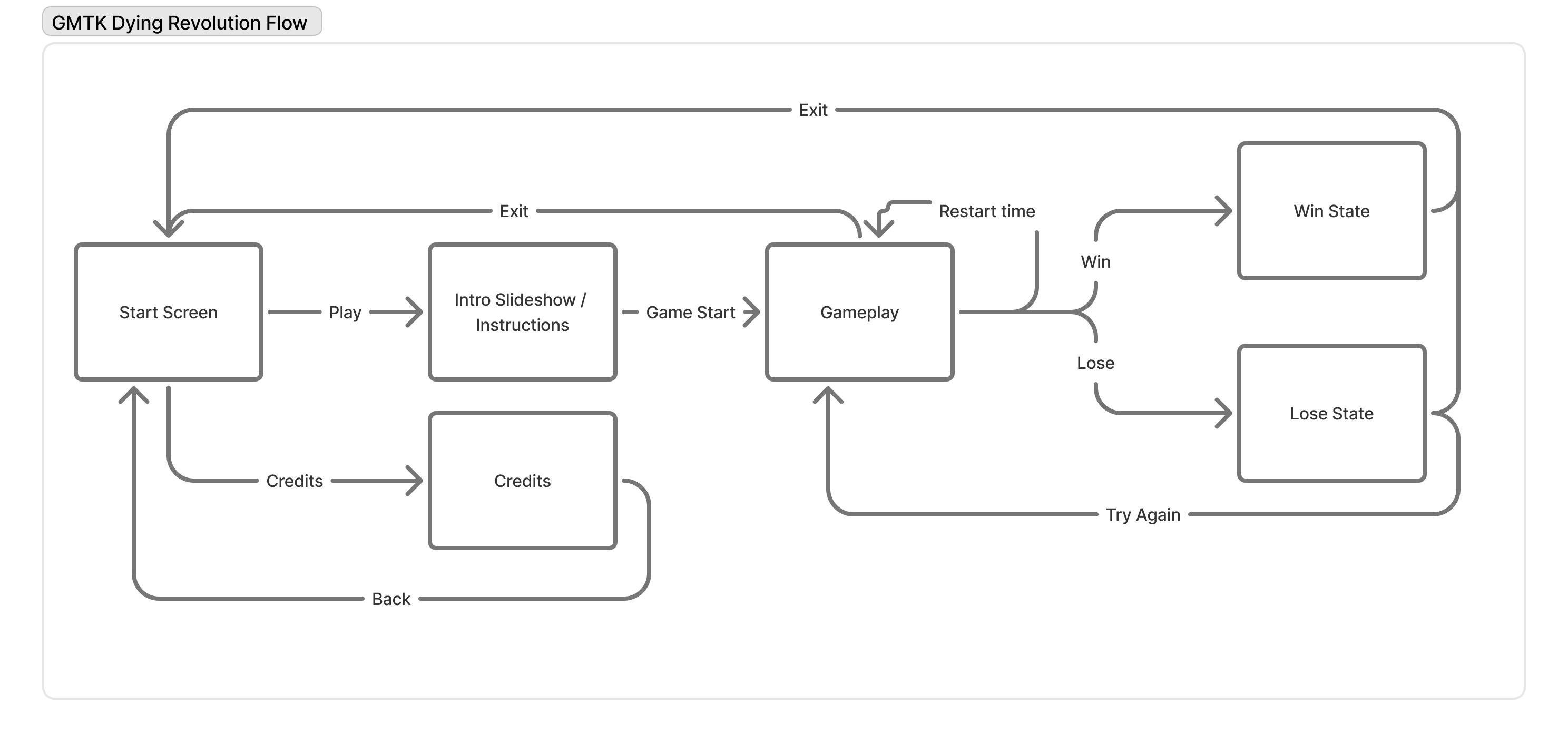
I created a user flow diagram mapping all necessary game screens including main menu, story introduction, instructions, settings, credits, and win/lose states to ensure we had a complete experience beyond just core gameplay. This documentation helped the team understand the full scope of what needed to be designed and developed within our 96-hour constraint, allowing us to prioritize which screens were essential for submission versus nice-to-have polish elements. The flow also established clear navigation pathways so players could move intuitively between menus and gameplay without confusion.
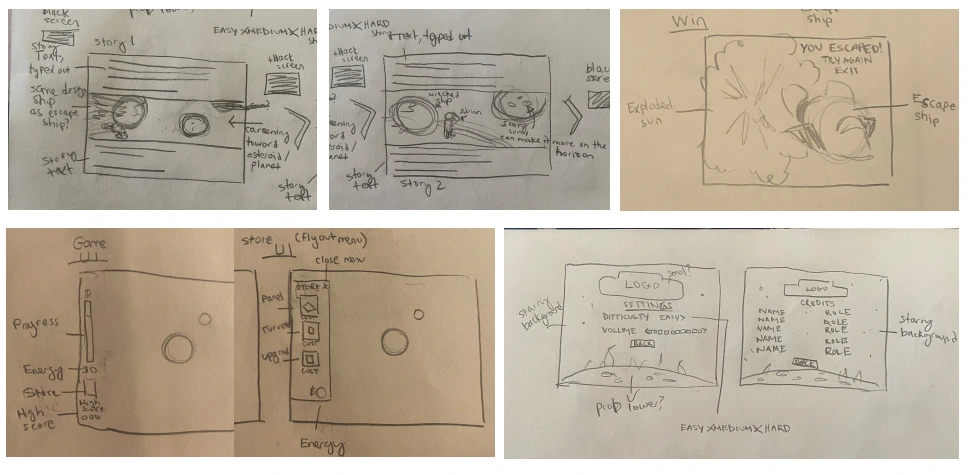
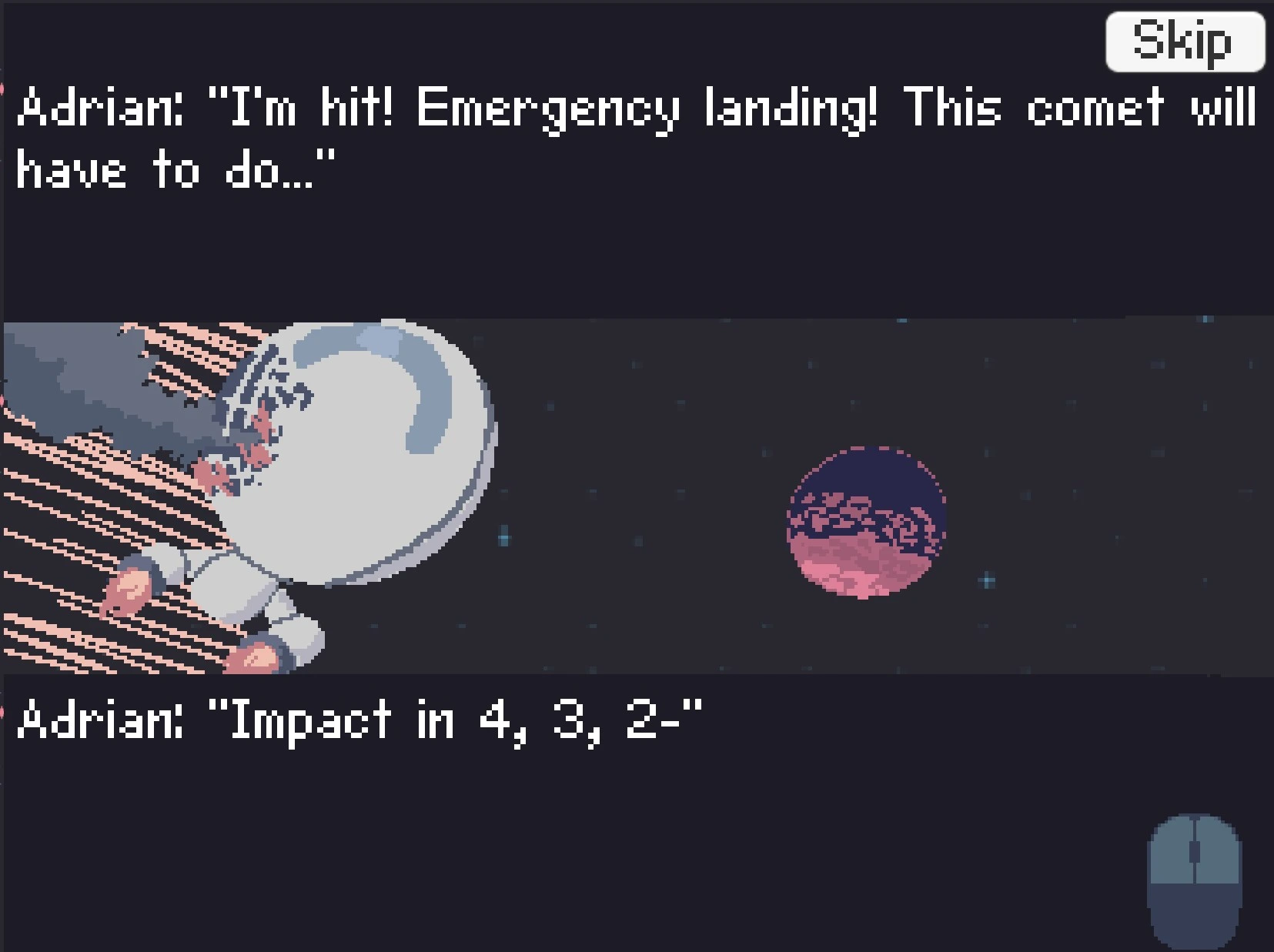
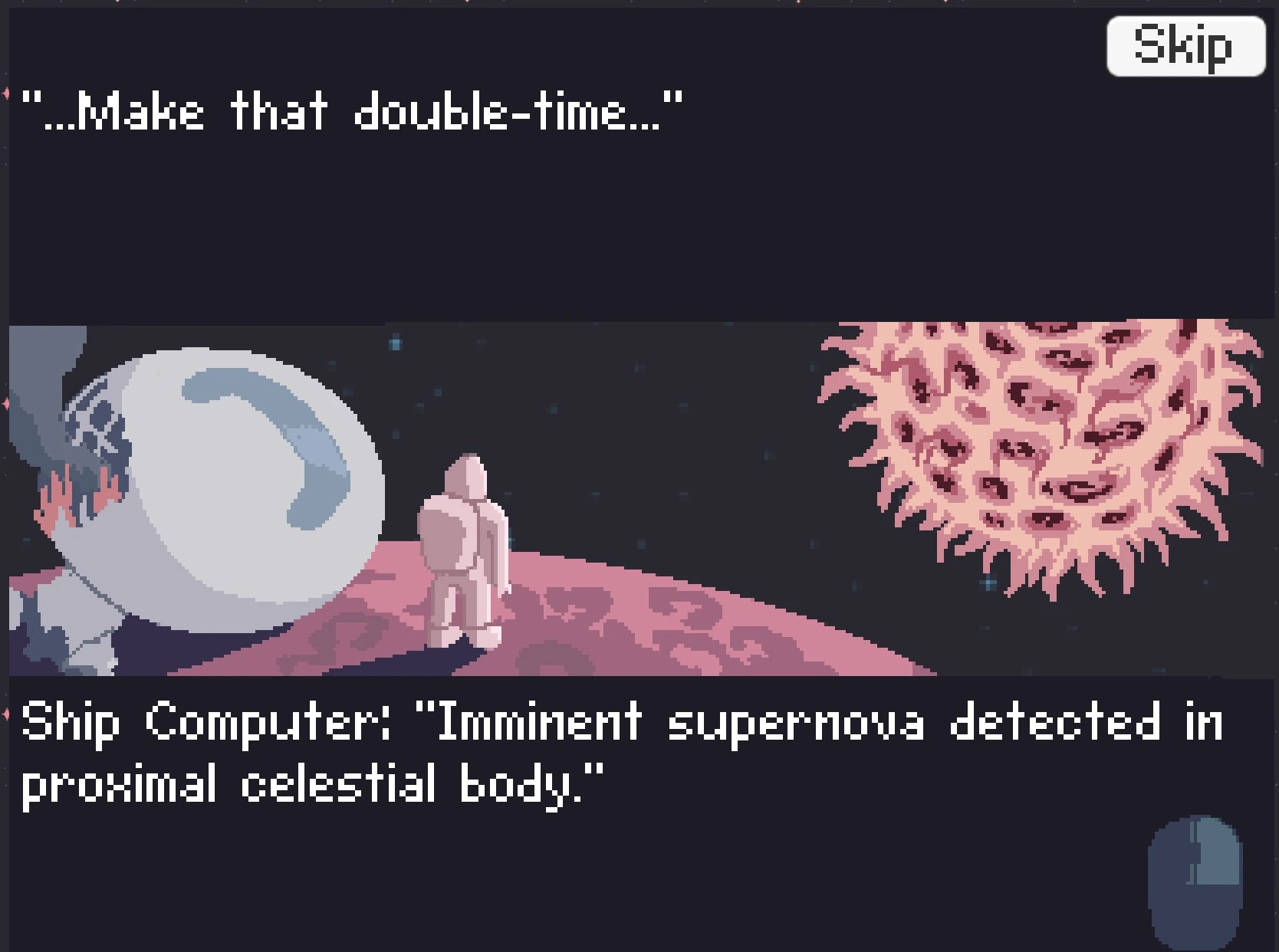
I created low fidelity storyboards for all critical screens including the main menu, story panels, game UI, build menu, settings, credits, and win/lose states to establish layout and information hierarchy before moving into pixel art production. By this stage we had named the game "Dying Revolution" and developed a narrative about the last members of a rebellion escaping their doomed planet, which informed the visual tone and text content across all screens. These sketches served as blueprints for me and the other artist to work from, ensuring visual consistency even as we divided sprite and UI work to maximize our limited timeline.
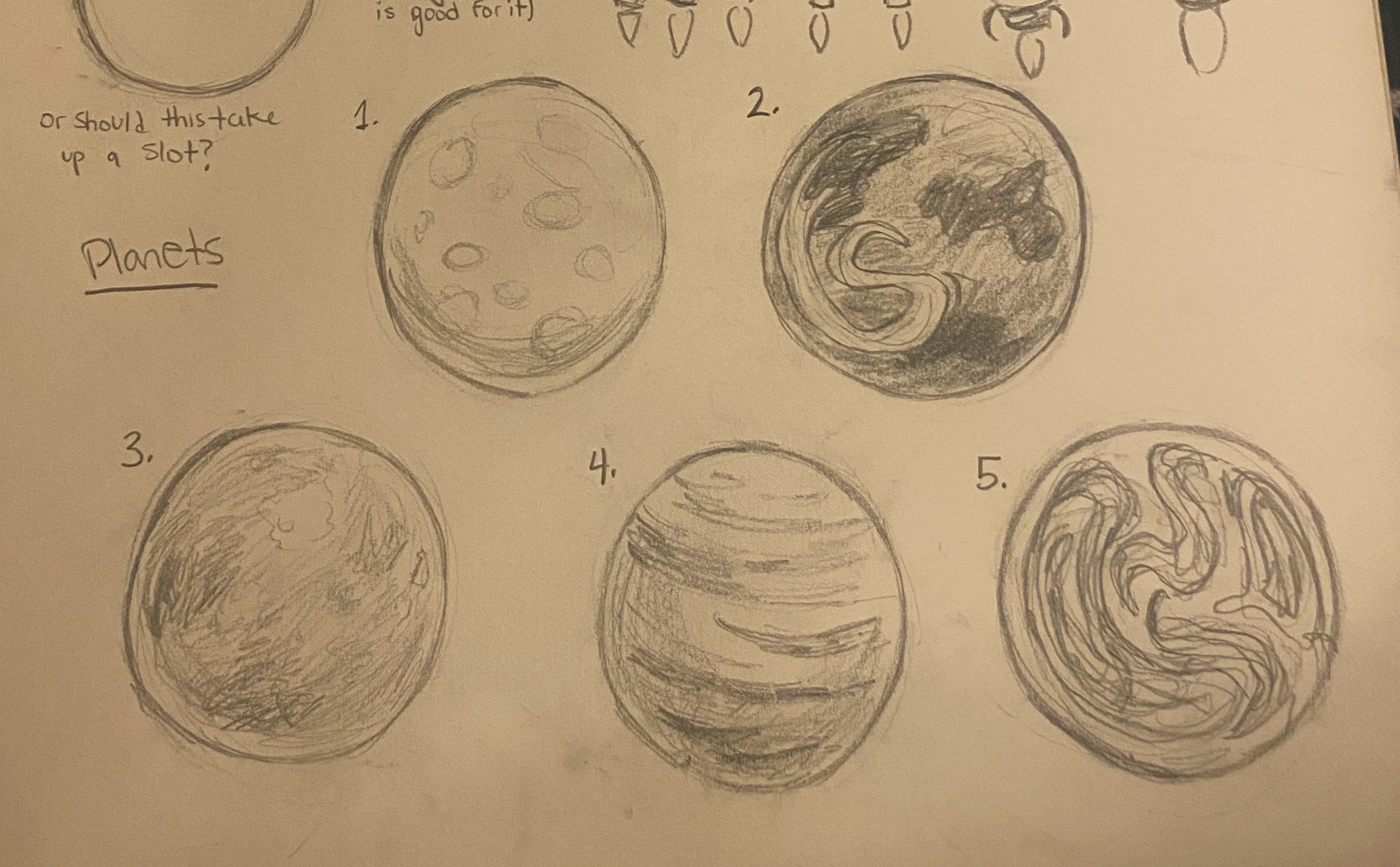
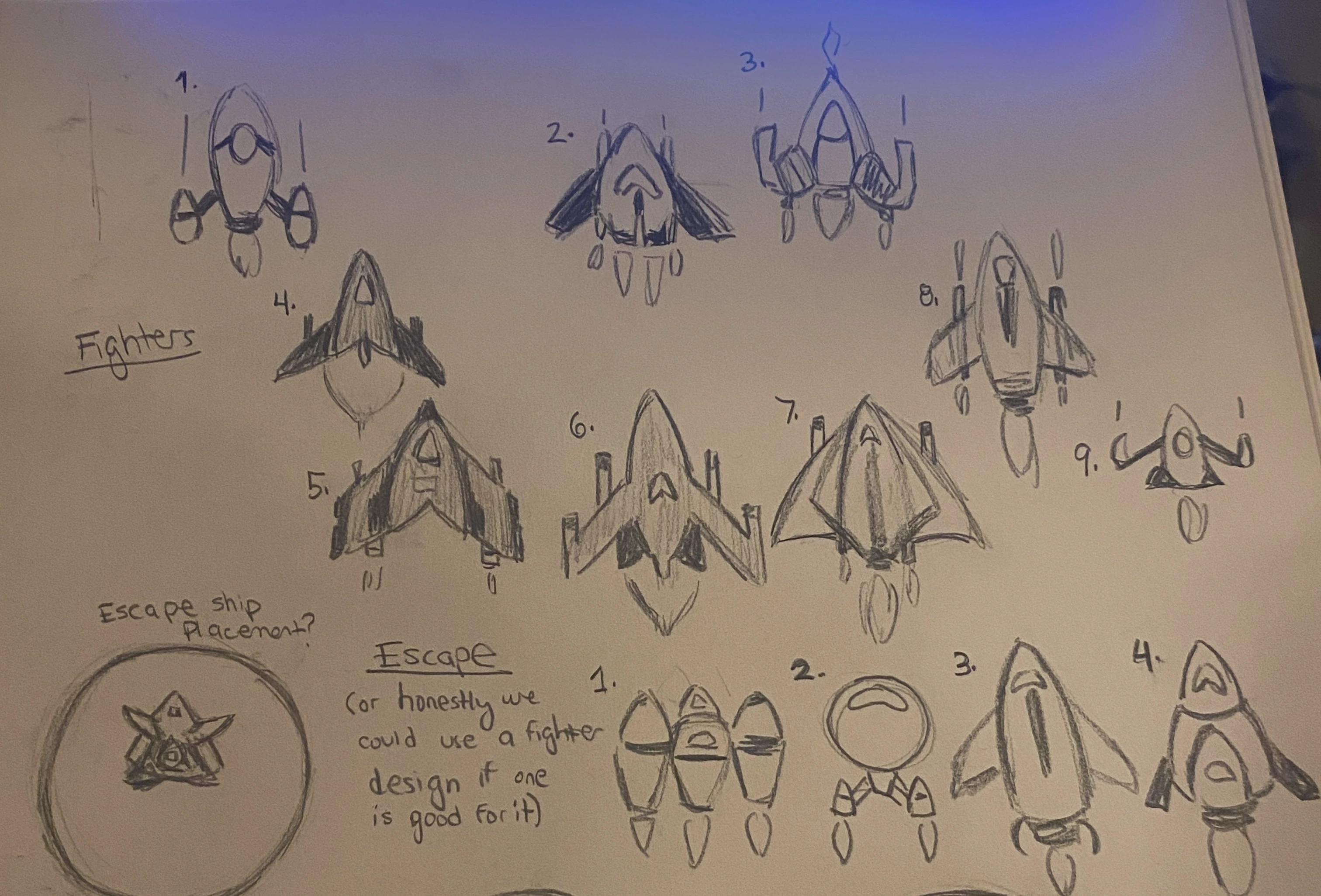
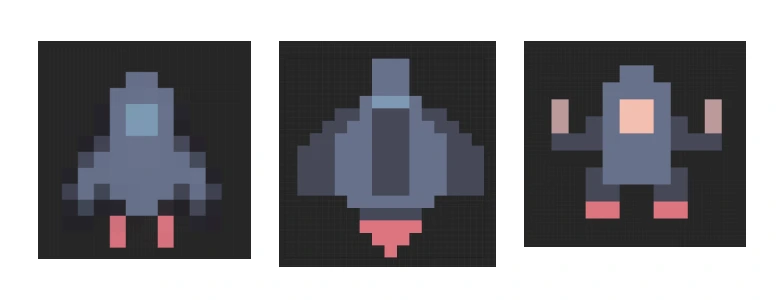
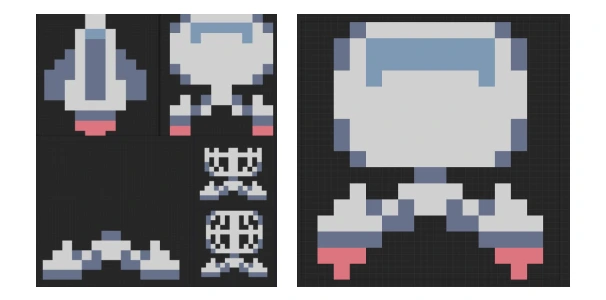
I developed concept sketches for enemy ships, the player's escape vessel, and planetary backgrounds to establish the visual language and proportions before moving into final pixel art production. These quick sketches ensured the other artist and I maintained consistent style and scale across all game assets despite working on different elements simultaneously.
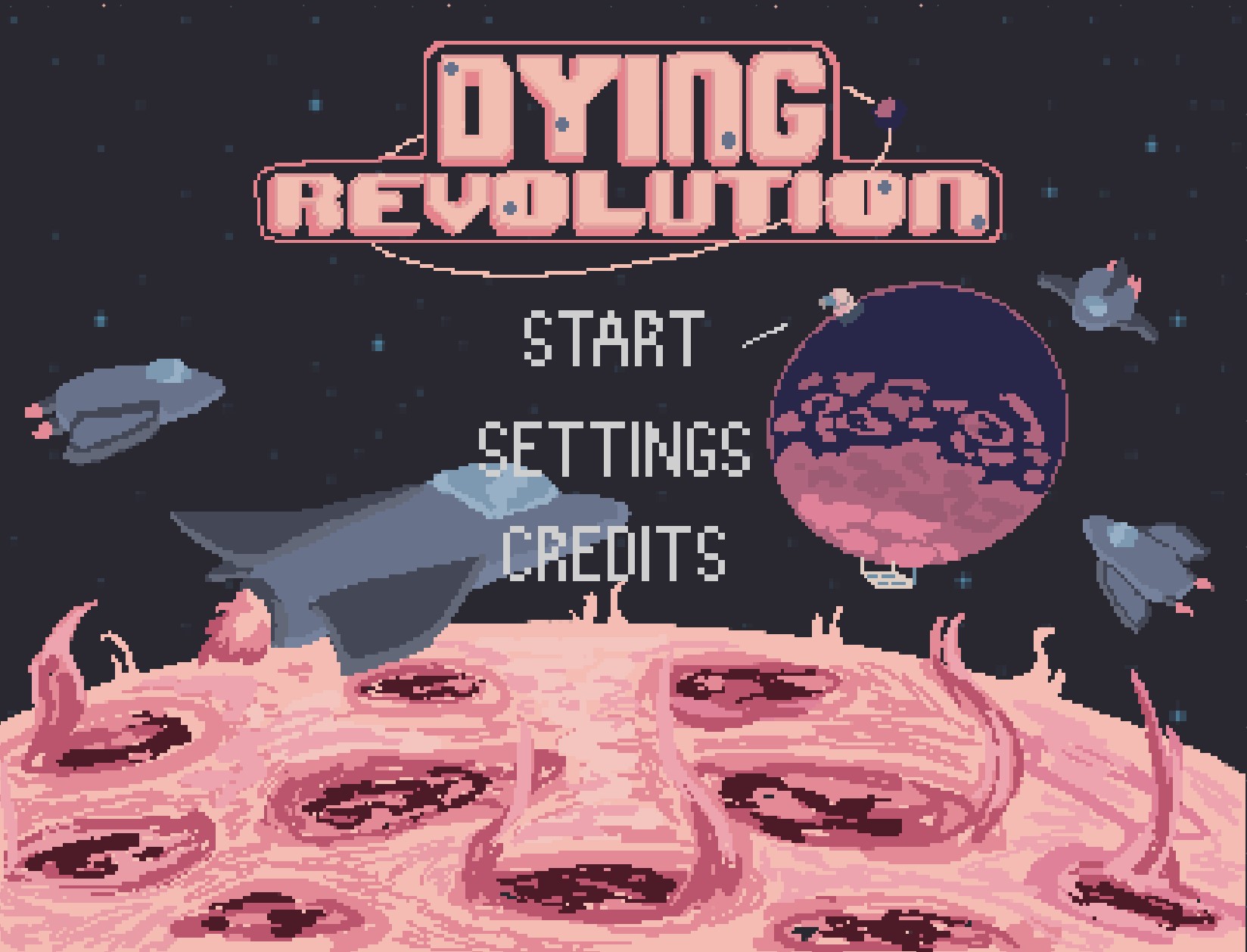
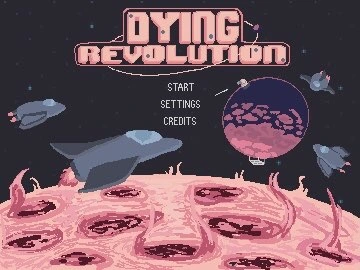
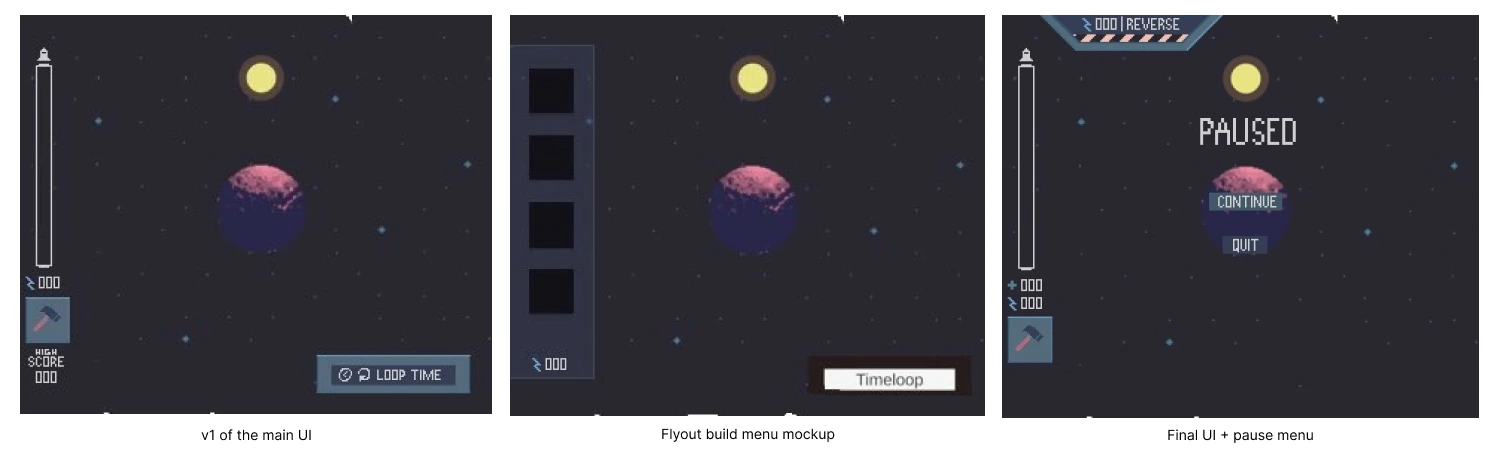
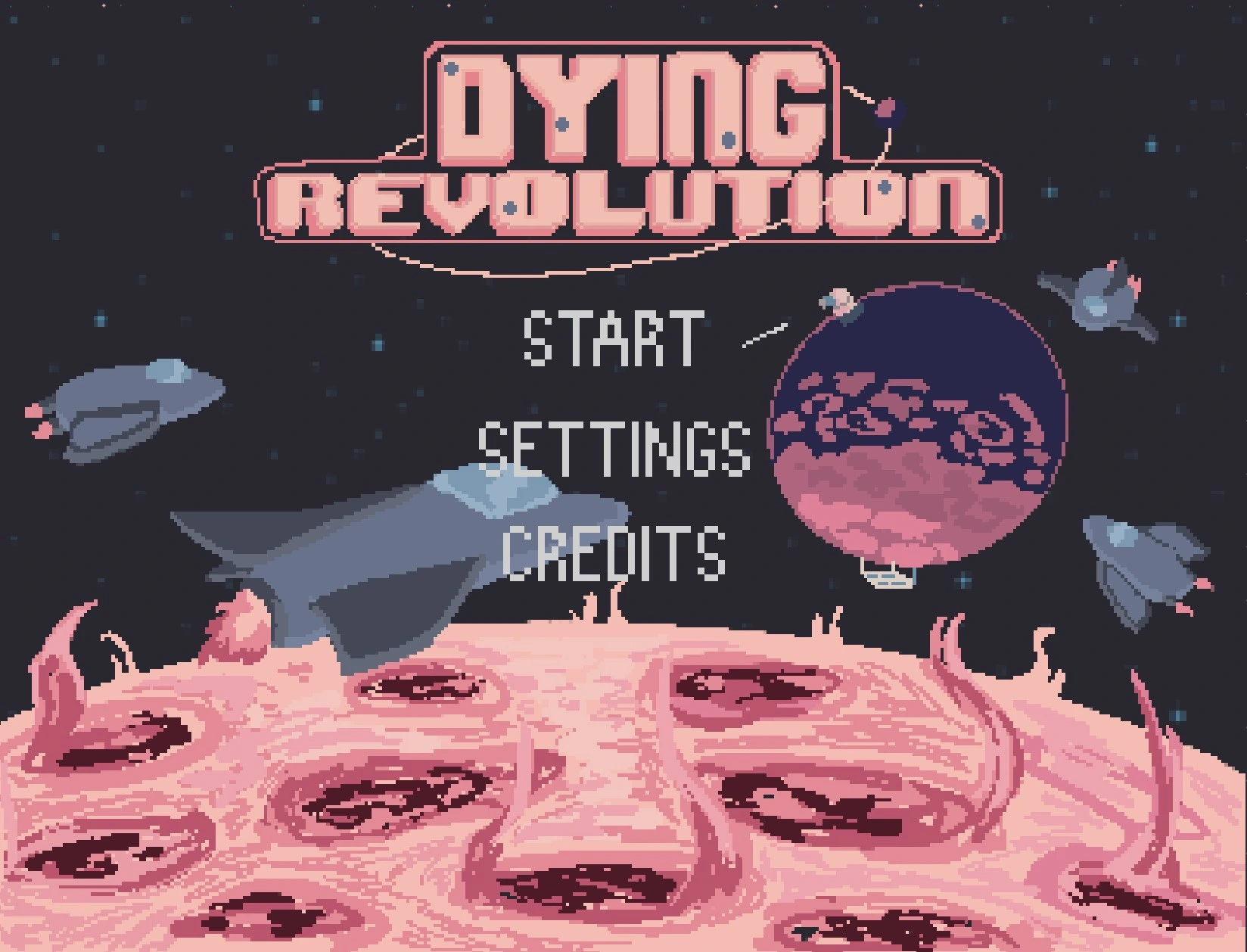
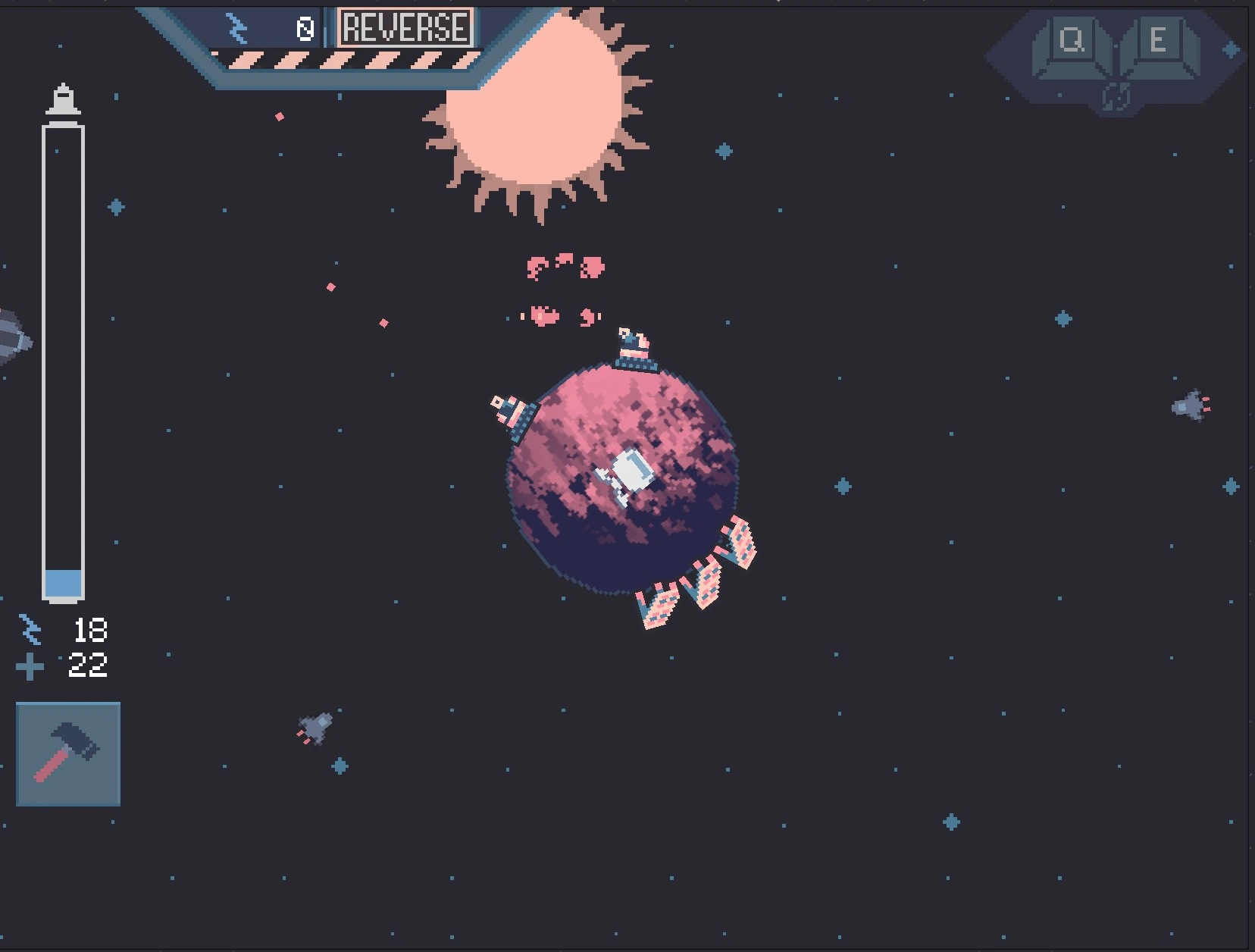
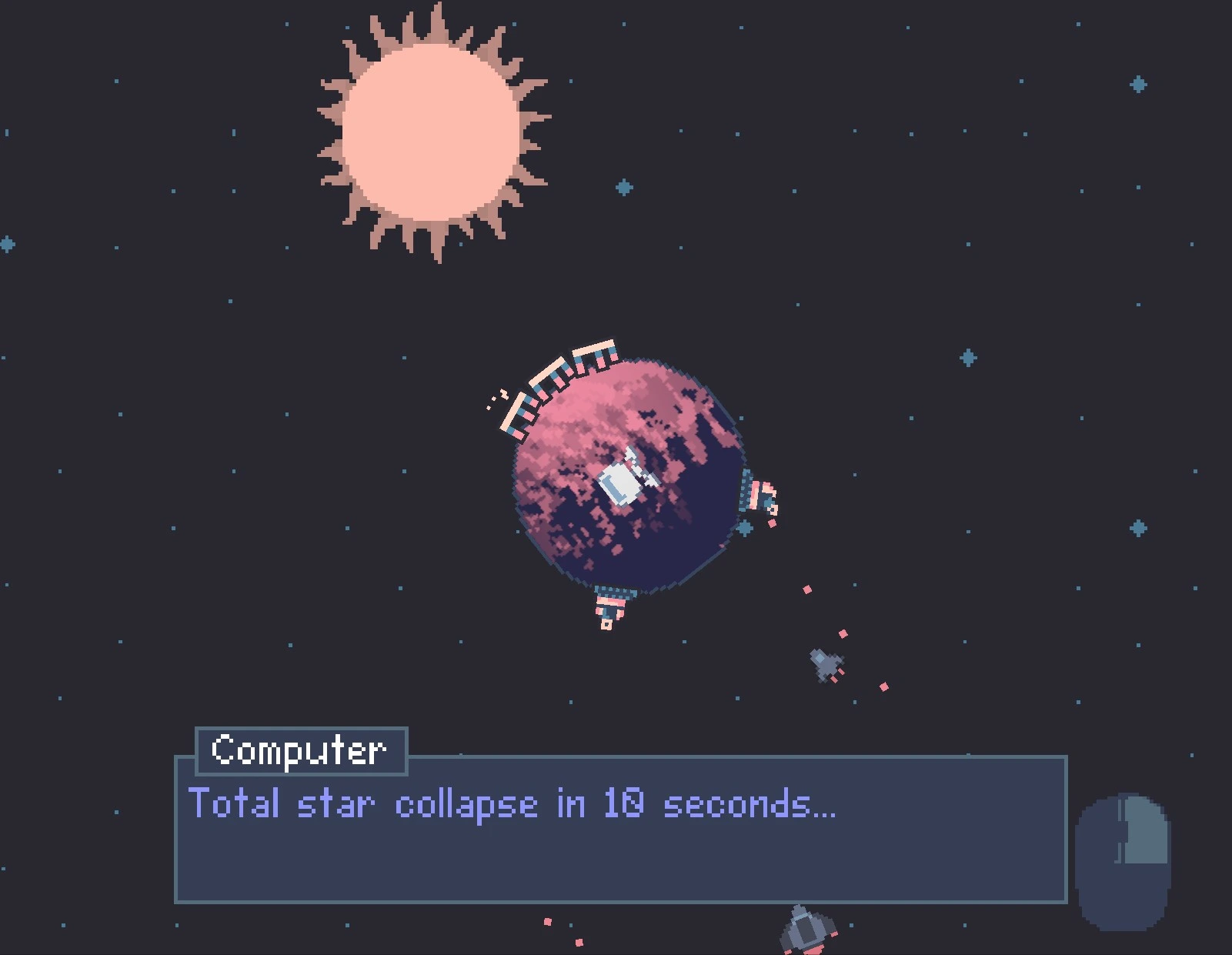
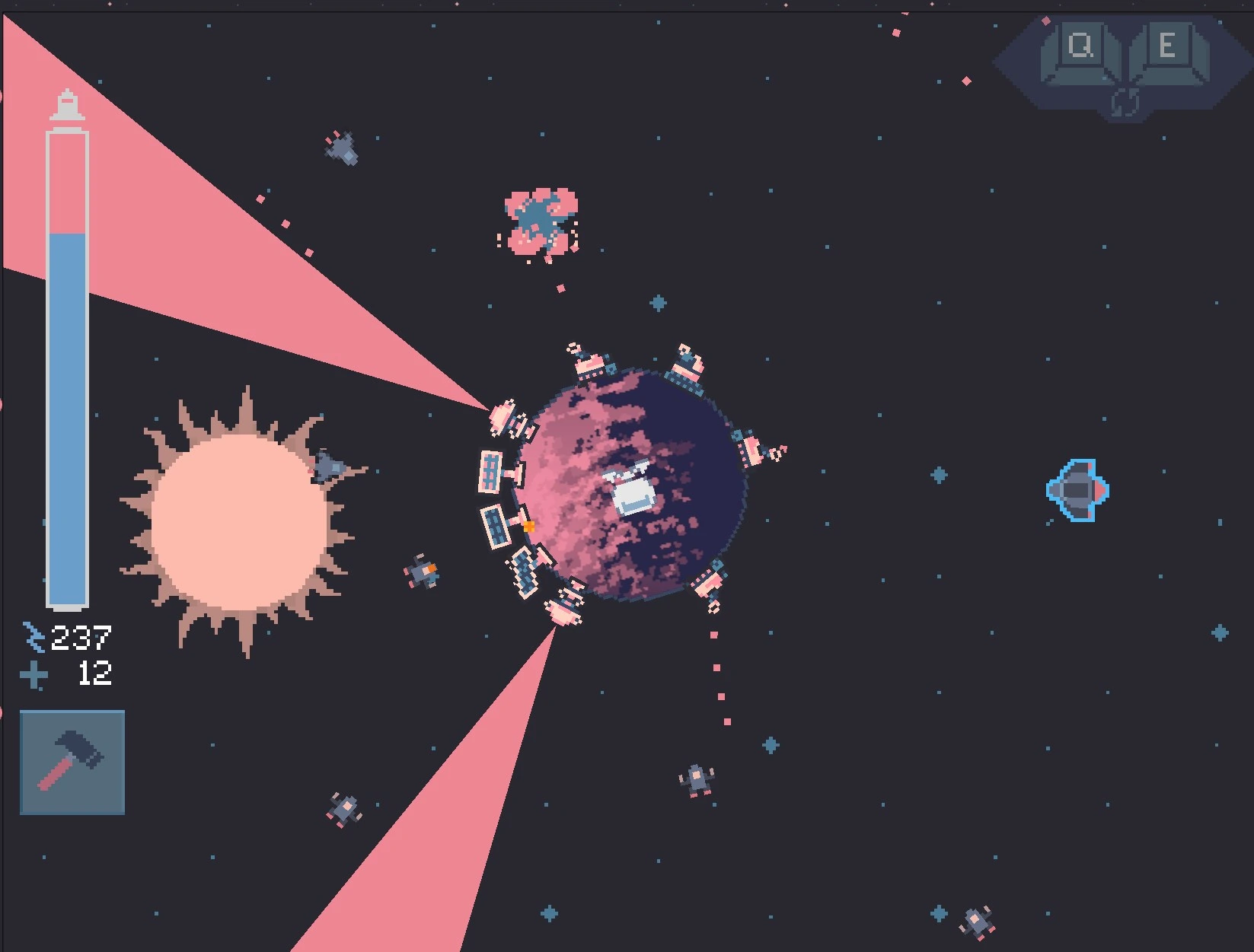
I created high fidelity pixel art wireframes and final game assets including UI screens, character sprites, and the game logo, all adhering to the Twilight 5 color palette and vintage sci-fi aesthetic we established during research. The screens below represent my contributions to the visual design, from menu interfaces to in-game UI elements that needed to communicate information clearly while maintaining the retro style. Working in parallel with the other artist allowed us to produce a cohesive visual experience across all game elements within our compressed timeline.

As our developer built out the Unity prototype with placeholder assets, we conducted rapid playtesting sessions both internally within the team and with friends and family to identify usability issues and balance the difficulty curve. This iterative testing allowed us to catch confusing mechanics, adjust timing, and refine the tutorial flow before implementing final art and audio.
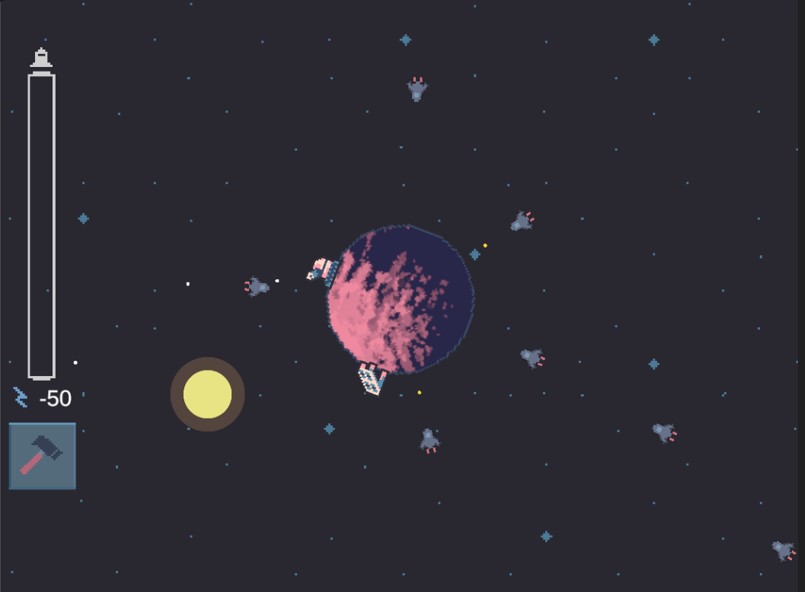
We successfully submitted Dying Revolution before the deadline with polished pixel art assets, original music and sound effects, custom lettering, and smooth animations that brought the time loop mechanics to life. The final game is available to play for free in browser at the link below, where players can experience the full tower defense loop and narrative we built in just 96 hours.
Next Steps